Clear answers for families considering The Troutbeck School
Want to visit? Visit Us.
Choosing a school is a serious decision. The information below outlines how we operate. It explains what we expect — and what families can expect from us in return.
- What is the atmosphere at the school?
- What makes The Troutbeck School different?
- How small are your classes?
- Who is responsible for my child?
- Are you a boarding school?
- What does a typical day look like for a boarder?
- What curriculum do you follow?
- What results have your students achieved?
- What type of child thrives here?
- Can my child join part-way through secondary?
- Is this school suitable for everyone?
- What is the Christian foundation of the school?
- What is your mobile phone and electronics policy?
- How can I contact my child?
- What happens if my child becomes ill?
- Can relatives visit?
- How do I reach the school?
- What happens after IGCSE?
- How do we apply?
What is the atmosphere at the school?
Ordered, purposeful, and consistent.
The school day is structured, but not hurried.
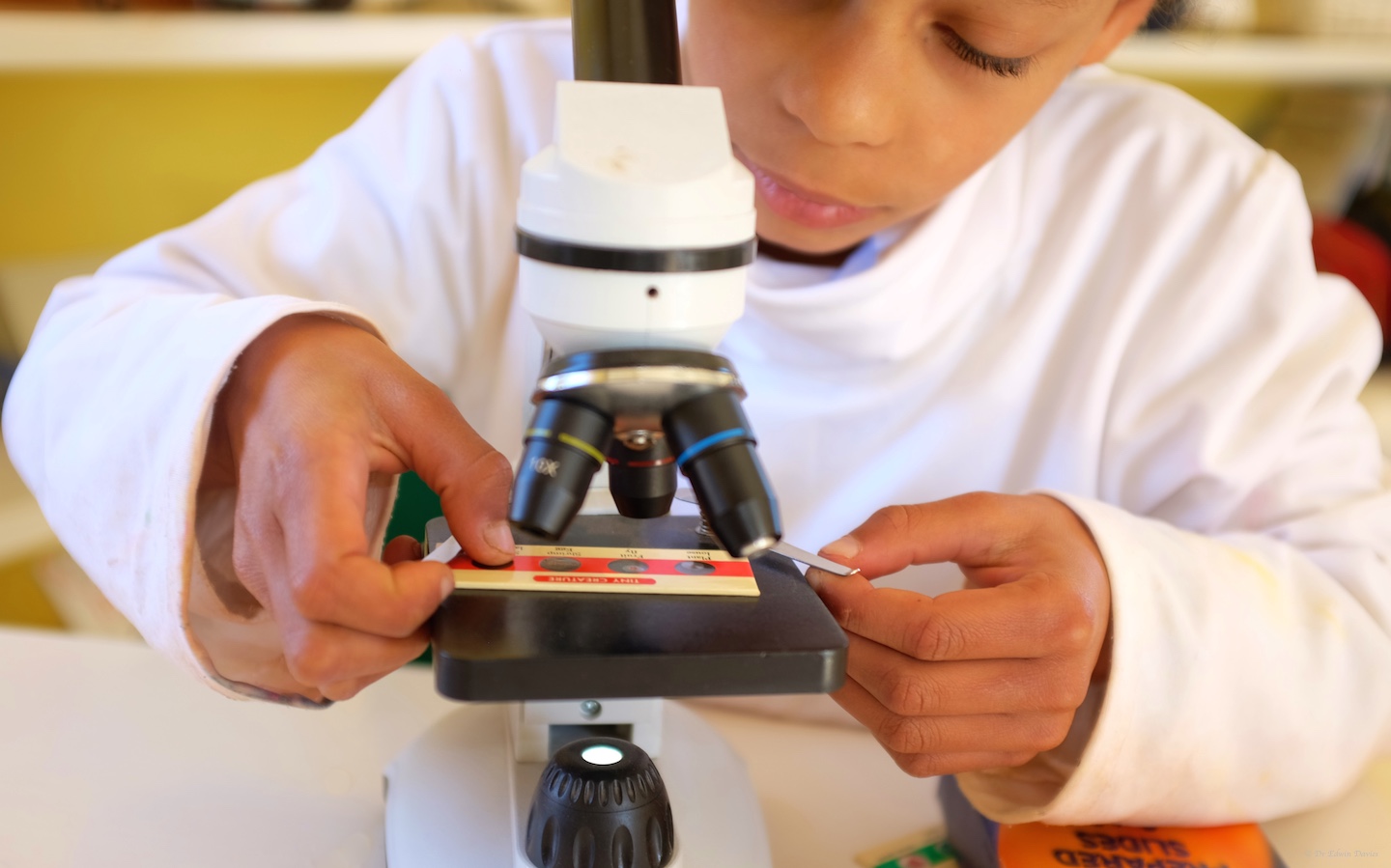
During academic hours, Montessori principles guide the classroom: sustained concentration, independent work, quiet confidence. Teachers observe closely and intervene precisely.
Outside formal lessons, the same expectations apply — courtesy, responsibility, conversation, initiative. These are not taught as a programme. They are practised daily until they become habit.
Children here are not over-stimulated.
They are not anonymous.
They are known.
Parents are welcome to visit and observe the school day by prior arrangement.
What makes The Troutbeck School different?
We are deliberately small.
This allows us to know each pupil properly — academically, socially and personally. Expectations are high. Standards are consistent. Guidance is close and intentional.
We do not compete on size or facilities. We compete on outcomes — and on what pupils become, not just what they achieve.
In the primary years, Montessori builds independence, executive function, precision and self-discipline.
In secondary, we prepare pupils carefully and methodically for Cambridge IGCSE within a calm, focused environment. We have seen what that preparation produces — and we built the school around it.
How small are your classes?
No secondary class exceeds ten pupils — and most are considerably smaller. No primary class exceeds seven pupils. In a group that size, there is nowhere to hide and no need to — every pupil’s work is seen, progress is monitored, and character is known. Weaknesses are identified early. Misunderstandings are corrected quickly. Children are supported and expected to meet the standards set for them.
Who is responsible for my child?
The class teacher is responsible during academic hours. Outside lessons, pastoral care is structured and supervised throughout the day. Overall accountability rests with the School Directors — Edwin and Grace. Your child is never in an unsupervised gap.
Are you a boarding school?
Yes — boarding only. There are no day pupils. Every child lives within the same routine, the same expectations, and the same environment, for the full term. Parents may visit during term and are not required to remove their child for exeat weekends.
What does a typical day look like for a boarder?
From the moment pupils wake up, the day has shape. Beds are made, rooms are tidied, bathrooms cleaned. At mealtimes, pupils set the table, help serve, and wash up — every meal, every day, on a rota. Snacks are collected from the kitchen and brought to classrooms. At weekends, the standard goes deeper.
This is not a list of tasks. It is the texture of daily life, applied consistently across the full term. A pupil who lives inside that structure for ten weeks is not doing occasional chores — they are building habits that follow them home.
What curriculum do you follow?
Primary: Montessori approach.
Secondary: Cambridge IGCSE.
Academic preparation is thorough and disciplined. Every subject is covered systematically, examination technique is taught carefully, and timed practice begins well before final examinations. Pupils learn to analyse questions, structure extended answers, and manage time under pressure.
At the same time, they develop resilience, responsibility and maturity — qualities that matter long after examinations are complete.
We do not lower standards to create comfort.
We raise expectations to create growth.
What results have your students achieved?
Our pupils have received multiple Outstanding Cambridge Learner Awards, including Physics, Environmental Management, Geography, Mathematics, Literature, and Best Across Eight Subjects in Zimbabwe. These distinctions reflect national-level performance within their examination sessions.
These outcomes are not the product of cramming. Pupils are taught to think — to understand how ideas connect, how knowledge transfers between subjects, and how to reason under pressure. Examination technique follows from that understanding, not the other way around. Preparation begins long before the examination year, through long-term planning, early correction of weaknesses, and systematic past-paper practice.
In a small school, progress is visible. Strengths are extended. Weaknesses are corrected. Pupils are taught to interpret command words accurately, structure extended responses with precision, and apply marking criteria intelligently.
Examinations matter because they open doors — to A-Level study and university pathways. Success here is tied to habits: discipline, organisation, and resilience.
What type of child thrives here?
Pupils who respond to structure and are willing to work steadily. Capable children who need disciplined guidance to fulfil their potential — not more freedom, but more consistency and closer attention.
This environment suits motivated pupils and committed families who share the same expectations as the school. In our experience, the families who fit tend to know it quickly.
Can my child join part-way through secondary?
Some families approach us one or two years before IGCSE. With commitment and seriousness, strong outcomes are still possible — but there is no shortcut. Study habits, writing technique, and subject knowledge need to be built properly, not rushed. Where we think the time available is insufficient for a pupil to be properly prepared, we will say so honestly. We would rather have that conversation early than set a family up for disappointment.
Is this school suitable for everyone?
No. Troutbeck is a specific environment — structured, small, and deliberately removed from distraction. It works best when pupils are ready for consistent expectation and families are genuinely committed to the same standards at home. For the right pupil and the right family, it works very well. We see that every term.
What is the Christian foundation of the school?
We are a Christian school.
Our faith shapes the culture quietly but consistently:
Honesty and integrity are expected.
Respect for others is non-negotiable.
Staff model steady, principled leadership.
Prayer and Christian teaching form part of school life.
We welcome families from different backgrounds, provided they are comfortable within a Christian ethos.
Christian conviction here is lived steadily rather than displayed loudly.
On an ordinary school day this means: pupils are expected to be honest, even when honesty is inconvenient. They are expected to treat the person who cooks the food with the same respect as the person who teaches the lesson. They are expected to own their mistakes and to act with consideration for others without being asked.
Our aim is not only academic success, but moral formation.
What is your mobile phone and electronics policy?
Any phone or personal device brought to school is held securely by staff and returned at 4pm on Sunday for brief calls home. This applies to all pupils.
Secondary pupils are required to bring a tablet for use as a PDF reader for textbooks. The tablet must carry no SIM card and have no WiFi access. It is not used for social media or entertainment.
Technology supports learning here. It does not dominate daily life.
How can I contact my child?
In a genuine emergency, contact the school office immediately and your child will be reached without delay.
During term, communication is structured rather than constant — Sunday afternoon at 4pm is the standard calling time, after golf. This is when phones are returned and pupils call home.
We find that structured contact builds independence without severing connection. Most parents tell us it works better than they expected.
What happens if my child becomes ill?
If your child becomes unwell, we contact you promptly and agree next steps together.
We work with a trusted local GP in Nyanga who operates a clinic with inpatient beds — a facility we use personally.
In urgent situations, we act immediately and inform you without delay.
Can relatives visit?
Yes, with prior written permission.
Approved visitors must be listed on your registration form and know your child’s security password.
In cases of family emergency, contact us directly.
How do I reach the school?
From the Troutbeck Hotel, continue approximately 1km and take the “SWIFT” turning on the right. Follow the signposts.
The final stretch is a mountain dirt road — a 4×4 is strongly recommended.
During the rainy season, the clay surface can become demanding. Please ensure you are confident using four-wheel drive.
You are welcome to call us at any point on your journey.
What happens after IGCSE?
IGCSE is preparation — not the destination.
We prepare pupils for A-Level study, university, and adult life that requires discipline and self-direction. Because pupils are accustomed to accountability and independent work, they transition well to more advanced study.
Our aim is to produce young adults who can operate confidently without constant supervision.
How do we apply?
Admission follows a defined and careful process:
- Initial conversation
- Visit to the school where possible
- Formal application
The right fit matters more to us than filling places. We take the time to get that right.
We enrol deliberately and thoughtfully.

